

Cells Store Waste In ________.
Cellular Garbage Disposals Make clean Up
Cells rely on garbage disposal systems to keep their interiors neat and tidy. If information technology weren't for these systems, cells could expect like microscopic junkyards — and worse, they might non part properly.
And so constant cleaning is a crucial biological process, and if it goes wrong, it tin cause serious problems. Scientists funded past the National Institutes of Health are therefore working to empathise the cell's janitorial services to find ways to combat these malfunctions.
Garbage Disposal
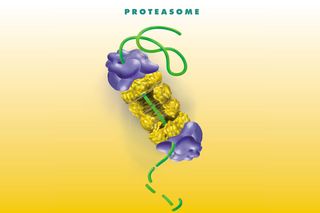
Ane of the cell'south trash processors is called the proteasome. Information technology breaks down proteins, the edifice blocks and mini-machines that make upwards many cell parts. The barrel-shaped proteasome disassembles damaged or unwanted proteins, breaking them into $.25 that the cell tin can re-apply to make new proteins. In this way, the proteasome is simply as much a recycling plant every bit information technology is a garbage disposal.
How does the cell know which proteins to keep and which to trash? The 2004 Nobel Prize in chemical science went to three scientists for answering that question. They plant that the cell labels its refuse with a tiny protein tag called ubiquitin. One time a protein has the ubiquitin label, the proteasome tin can grab it, put it inside the butt, interruption it downward and release the pieces.
Because diseases like Alzheimer'south involve the aggregating of excess proteins, researchers are trying to develop medicines to assistance the proteasome out. They promise such a treatment would keep encephalon cells make clean and healthy.
Scientists are also interested in designing medicines that plough off the proteasome. Cancer cells, for example, make a lot of abnormal proteins that their proteasomes accept to remove. A proteasome-clogging medicine could prevent cancer cells from recycling their ain garbage, leaving them without reusable resources for survival and growth. This is the approach behind the proteasome inhibitor drug bortezomib, which is used for the blood cancer multiple myeloma.
Cellular Tummy
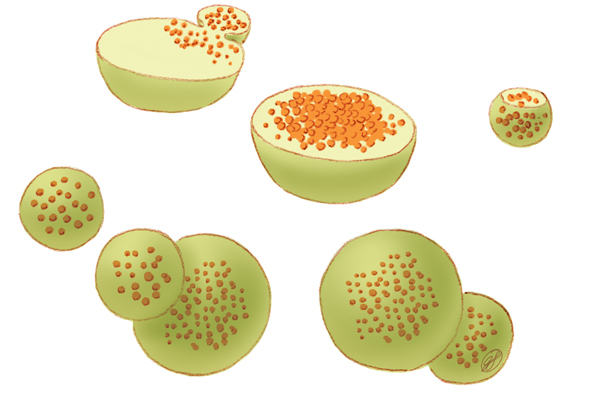
Proteins aren't the simply blazon of cellular waste product. Cells as well accept to recycle compartments chosen organelles when they become old and worn out. For this task, they rely on an organelle called the lysosome, which works like a cellular stomach. Containing acrid and several types of digestive enzymes, lysosomes assimilate unwanted organelles in a process termed autophagy, from the Greek words for "self" and "eat." The multipurpose lysosome also processes proteins, bacteria and other "food" the jail cell has engulfed.
An disability to brand one of the lysosomal enzymes can lead to a rare, life-threatening sickness called a lysosomal storage disease. There are more forty different lysosomal storage diseases, depending on the kind of trash that's unprocessed. These diseases tin can touch on many organs, including the encephalon, heart and bones.
Lysosomes also gobble up viruses, an action important to fighting infections. A drug that activates lysosomes protects mice from diseases similar Westward Nile virus. Information technology's possible that the same or similar medications might care for diseases in which cellular trash piles up, including Alzheimer'southward and other diseases of aging.
Fleck Pile
While cells mainly utilise proteasomes and lysosomes, they have a couple of other options for trash disposal.
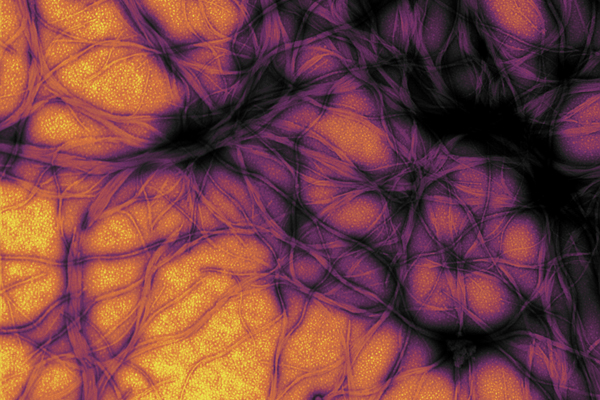
Sometimes they but hang onto their trash, performing the cellular equivalent of sweeping it under the rug. Scientists suggest that the cell may pile all the unwanted proteins together in a glob called an aggregate to keep them from gumming up normal cellular mechanism.
For instance, a protein called islet amyloid polypeptide builds up in aggregates in the pancreas of people with type 2 diabetes. Other proteins form aggregates in certain encephalon diseases. Scientists are notwithstanding trying to sympathize what these trash piles exercise and whether they're helpful or harmful.
If the garbage can't exist digested by lysosomes, the cell can sometimes spit it out in a procedure chosen exocytosis. Once outside the jail cell, the trash may run across enzymes that tin can take it apart, or information technology may just form a garbage heap called a plaque. Unfortunately, these plaques outside the prison cell may be harmful, also.
The cell also has ways to toss out some poisons that get inside. This means that cancer cells may pump out cancer drugs that are meant to destroy them, and bacteria may do the same with antibiotics. Scientists are studying how these pumps work, looking for ways to keep the medicines inside where they tin practice their job.
Further written report of the many ways cells take out the trash could lead to new approaches for keeping them healthy and preventing or treating affliction.
This Within Life Science commodity was provided to LiveScience in cooperation with the National Found of General Medical Sciences, part of the National Institutes of Health.
Learn more:
Inside the Cell Booklet
Besides in this series:
Cilia: Biology's Brooms
The Amazing World Inside a Human Jail cell
Jail cell Suicide: An Essential Part of Life

Cells Store Waste In ________.,
Source: https://www.livescience.com/31966-cells-garbage-disposal-crucial-processes-nigms.html
Posted by: outlawwifear91.blogspot.com
0 Response to "Cells Store Waste In ________."
Post a Comment